October 7, 2026
Educationist Mr. Edward Frimpong has expressed concern over the state of Ghana's education system, describing it as worrying and lagging behind other countries. He also warned that the ongoing teachers strike could widen the learning gap between students in public and private schools.
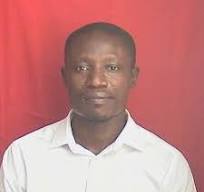
In an interview with kayaso on Adeakye bia morning show on Liberty Fm, Mr Edward Frimpong an Educationist has expressed concern over the state of Ghana's education system, describing it as worrying and far behind the education system of other countries.
According to him, Ghana's education system needs significant improvement, citing Finland as an example of a country with one of the best education system in the world.
Mr. Frimpong explained that in Finland, children reportedly begin formal schooling at a later age and are exposed to fewer subjects, allowing them to focus on areas where they have strength and interest.
He further noted that Ghana introduced a new curriculum in 2019, which places greater emphasis on critical thinking rather than the traditional teaching approach. He also questioned whether the government has fulfilled all promises it made to teachers.
The educationist also raised concerns about the treatment of teachers in Ghana, particularly the ongoing strike by teacher unions.
He said teachers have been off the job for about a week, raising concerns about the impact of the strike on students in public schools.
Mr.Frimpong noted that students in private schools follow the same curriculum as those in public schools. He therefore warned that while private school students continue learning, students in public schools could fall behind due to the strike.
He stressed that this could put pressure on both teachers and students in the public school, particularly those preparing for their final examination in less that seven months.
Mr Frimpong called for meaningful discussions between the government and the teacher unions to resolve the issues.
He said the teachers unions have maintained that they will not return to the classroom until their demands are addressed and reflected in the government action.